
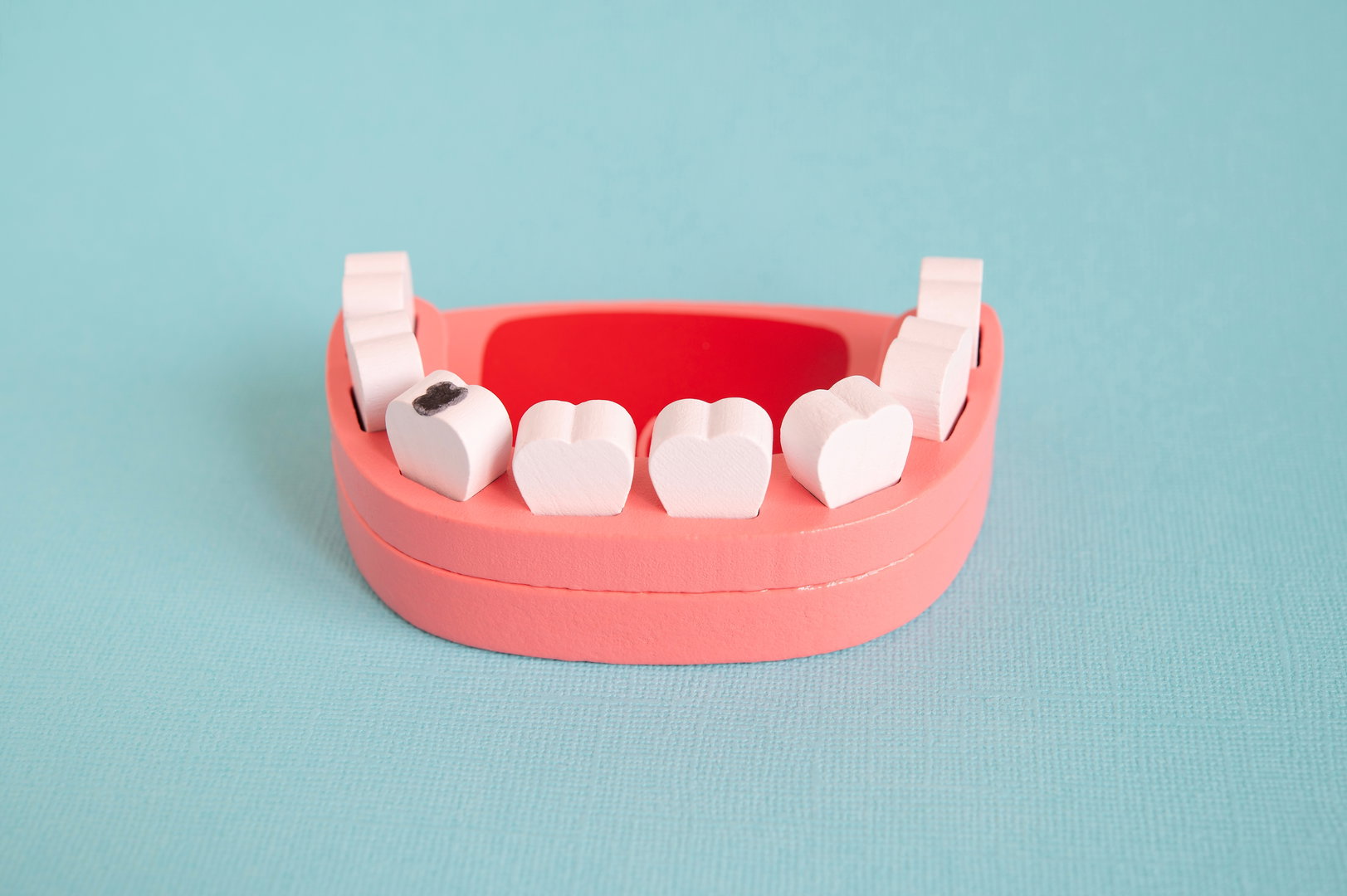
What Are the Signs of Tooth Decay, and Which Dentist Can Help in Fort Worth, TX?
Tooth decay can range from an early-stage cavity that only requires quick and minor treatment to heavier decay that requires more extensive dental procedures. In the most extreme cases, tooth decay may even lead to removal and replacement of a tooth. The good news is you can minimize the level of treatment needed and the …
Read More
I May Need a Dental Filling, Which Dentist Can Help in Fort Worth, TX?
When you need a dental filling, time is of the essence. When you delay in getting a cavity filled or a broken tooth restored, you risk further decay or damage that will only lead to more costly treatment down the road. The best course of action is to find a reliable dentist in your local …
Read More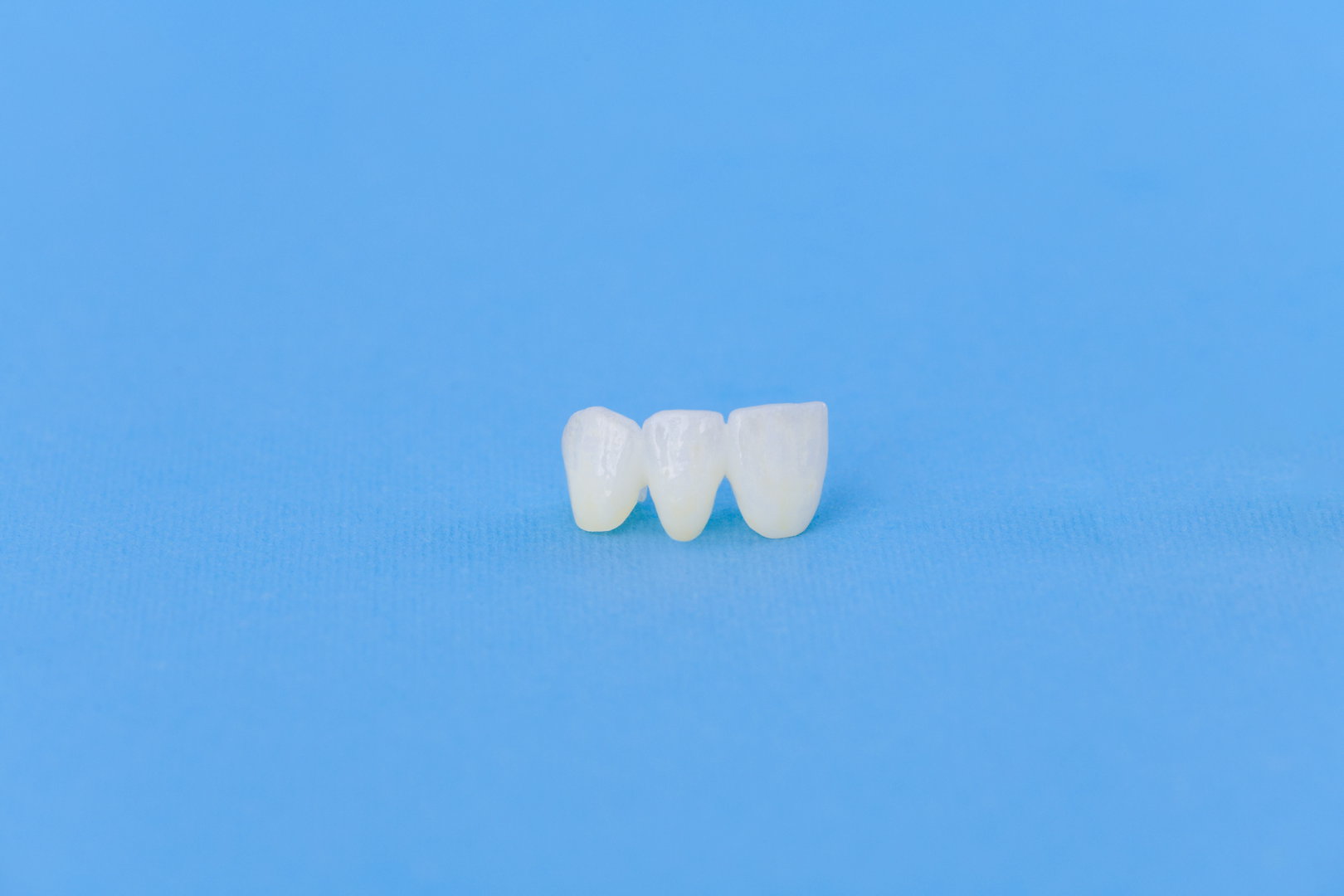
Why Are Dental Crowns Important, and Which Dentist Can Treat Me in Fort Worth, TX
Dental crowns can be beneficial if you have decayed, damaged, or weakened teeth, or if you need support for artificial teeth. This treatment allows your dentist to restore the structure and appearance of your tooth, making it easier for you to perform everyday activities like eating and speaking, all while improving the look of your …
Read More
I Think I Have a Cavity, Can I Get Treatment in Fort Worth, TX?
Cavities—which are a form of tooth decay—are extremely common, affecting people of all ages. While they may seem like a minor inconvenience at first, untreated cavities can develop into more serious dental problems that require more complex and expensive care. Finding a nearby dentist can make all the difference in helping you access the timely …
Read More
Why Are My Teeth Sensitive? Can a Local Dentist Help in Fort Worth, TX?
If you feel a quick jolt of pain when sipping something hot or cold or biting into a dessert, you’re not alone. Tooth sensitivity is a common dental issue, and it’s often linked to changes in the outer layer of your teeth, known as enamel. When enamel becomes worn or damaged, it exposes the dentin …
Read More
How Often Should I Get a Dental Cleaning? I’m Looking for a Dentist in Fort Worth, TX.
Just like you need to get your car maintenanced regularly to keep it in tip-top condition, you also need to get regular dental cleanings to maintain optimal oral health, and even overall health. Dentists generally recommend patients get dental cleanings (or dental prophylaxis) every six months, but that recommendation may change depending on the patient’s …
Read More
Why Are Dental Crowns Important, and Which Dentist Can Treat Me in Fort Worth, TX
When a tooth becomes weakened due to decay, injury, or wear, a dental crown is often one of the most effective ways to restore it. A dental crown is a custom-made covering that fits over the entire visible portion of a tooth. Designed to mimic the natural look and function of your teeth, crowns are …
Read More
Why Are My Teeth Sensitive? Can a Local Dentist Help in Fort Worth, TX?
When a simple sip of a hot coffee, a bite of ice cream, or a cold breeze is enough to leave you with a sharp sensation of pain in your tooth, you know it’s time to see a dentist. Tooth sensitivity is a common dental problem that can take the joy and satisfaction out of …
Read More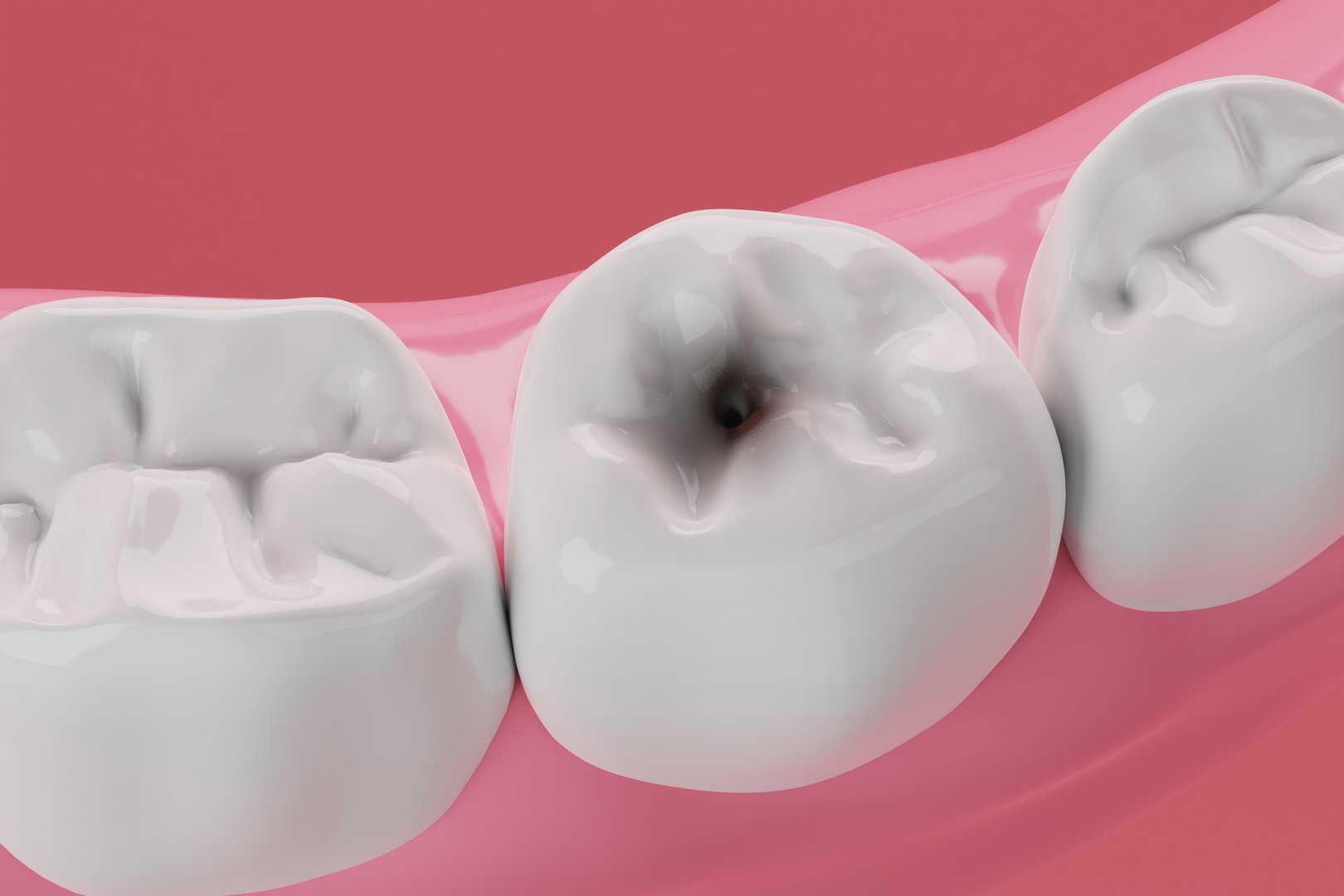
I May Need a Dental Filling, Which Dentist Can Help in Fort Worth, TX?
Tooth decay or damage is not only uncomfortable and unbecoming for your smile—it’s also a potential threat to your oral health. When you leave problems like cavities, deep decay, or chipped teeth unaddressed, you risk your dental problem turning into a more serious issue in the future. That’s why it’s important to move quickly and …
Read More
I Think I Have a Cavity, Can I Get Treatment in Fort Worth, TX?
Cavities might seem like a minor dental issue, but they’re actually a form of progressive tooth decay that can worsen quickly without treatment. What starts as a small area of decay in the enamel can advance deeper into the tooth, reaching the dentin and eventually the inner pulp. At that point, the rate of damage …
Read More